
5 Resolutions to Boost Your Gut Health in 2026
As we welcome the new year, many of us set goals for personal growth, fitness, and overall wellness. One area that often gets overlooked, however, is gut health. Your digestive system is central to your overall well-being, affecting energy levels, nutrient absorption, immune function, and even mental health. Committing to simple, intentional habits that support your gut can have long-lasting benefits. In this article, we’ll explore five practical resolutions to prioritize your digestive health this year and why they matter.
Resolution 1: Prioritize a Balanced, Nutrient-Rich Diet
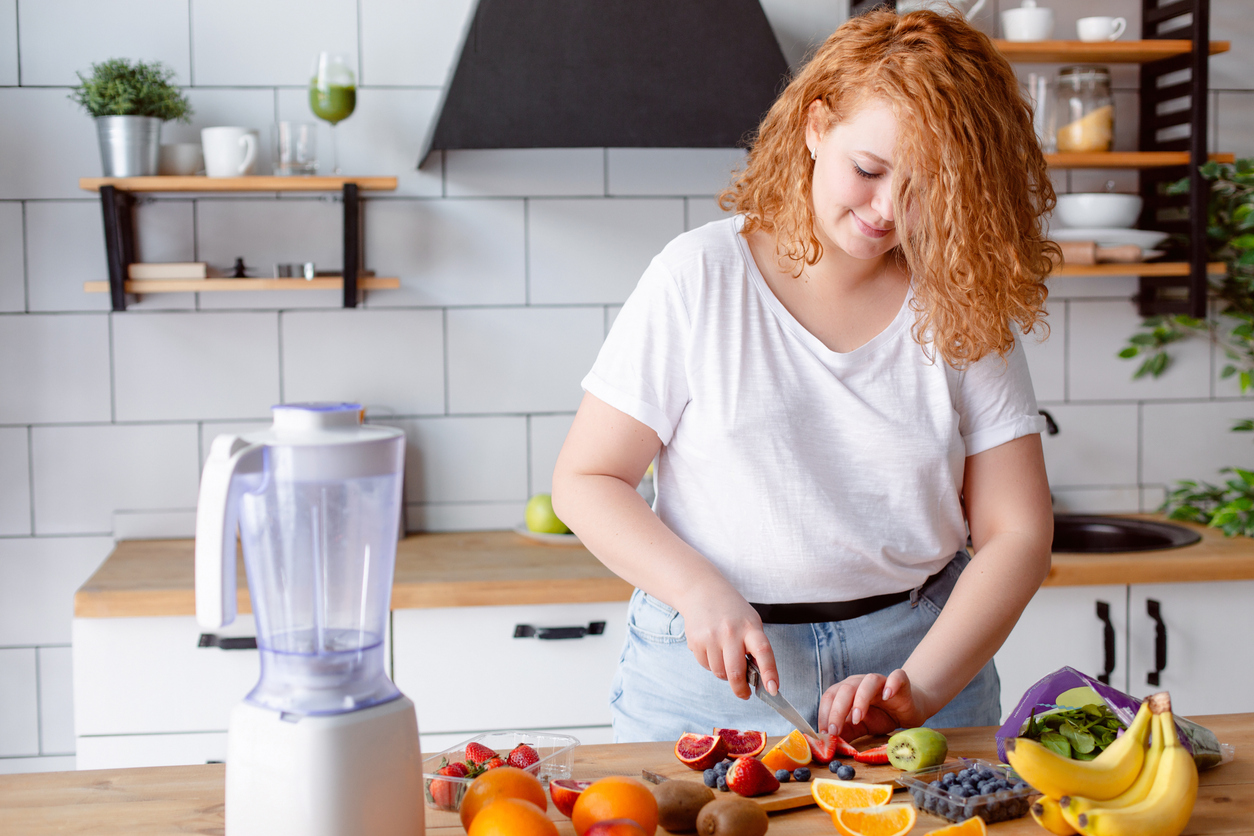
The foundation of a healthy gut starts with what you put on your plate. A diet rich in whole, unprocessed foods supports digestive function, provides essential nutrients, and promotes a diverse gut microbiome. Include plenty of fruits, vegetables, whole grains, lean proteins, and healthy fats in your daily meals.
Fiber is particularly important for gut health because it helps regulate bowel movements and feeds beneficial gut bacteria. Soluble fiber, found in oats, apples, and beans, absorbs water and forms a gel-like substance that slows digestion, keeping you full and satisfied. Insoluble fiber, found in vegetables, whole grains, and nuts, adds bulk to stool and helps prevent constipation.
In addition to fiber, consider including fermented foods such as yogurt, kefir, sauerkraut, and kimchi. These foods are rich in probiotics, which support a balanced gut microbiome. Avoid highly processed foods, excess sugar, and artificial additives, which can disrupt gut bacteria and contribute to inflammation.
By making a commitment to eat a balanced, nutrient-rich diet in 2026, you’ll be giving your digestive system the tools it needs to function optimally.
Resolution 2: Stay Hydrated and Support Proper Digestion
Hydration plays a crucial role in digestion and overall gut health. Water helps break down food, allowing nutrients to be absorbed more efficiently. It also keeps stool soft and supports regular bowel movements, reducing the risk of constipation.
In addition to plain water, herbal teas, broths, and water-rich foods such as fruits and vegetables can help maintain hydration. Avoid excessive caffeine and alcohol, which can irritate the digestive system and contribute to dehydration.
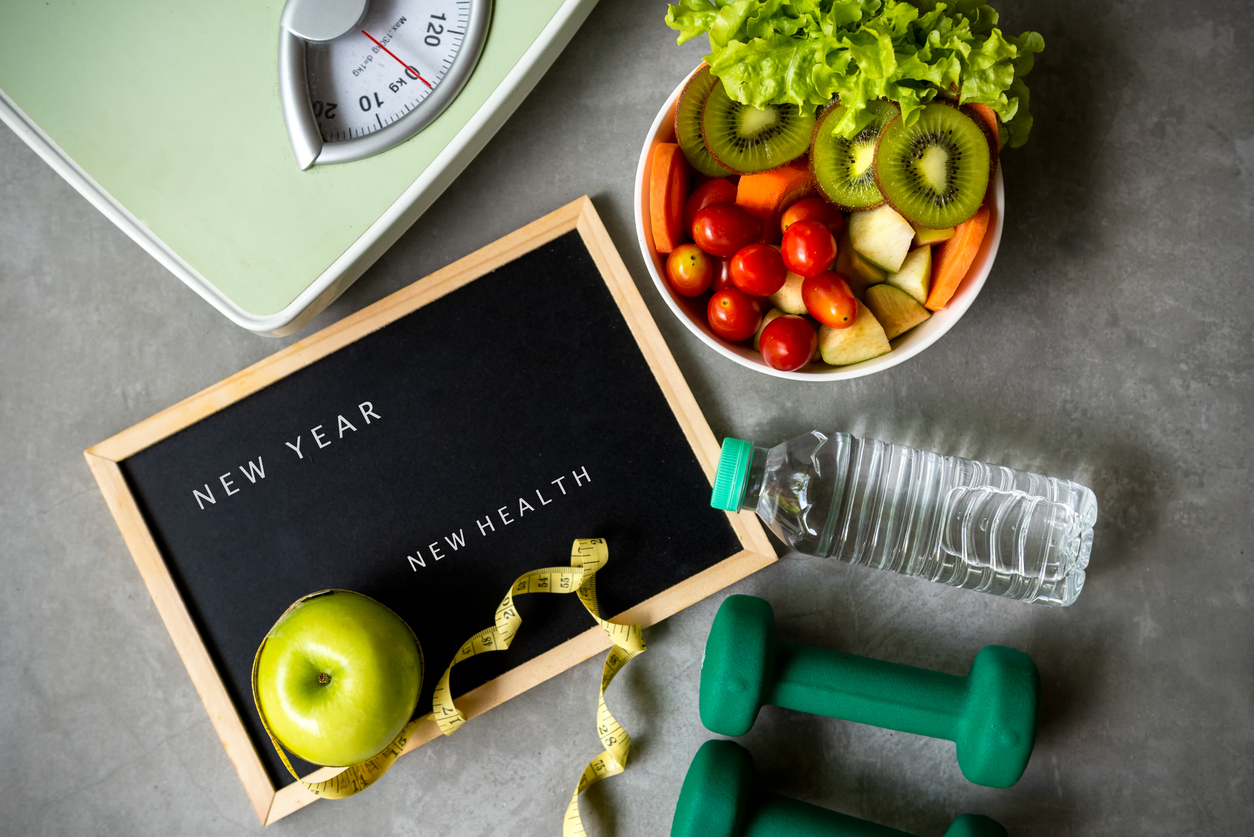
Consider making it a resolution in 2026 to carry a reusable water bottle throughout the day, sip water before and after meals, and consciously increase your intake of hydrating foods. Small, consistent habits like these can have a significant impact on digestion and overall gut function.
Resolution 3: Move Your Body Regularly
Physical activity is not just important for your cardiovascular system and muscles; it plays a vital role in digestion as well. Exercise stimulates intestinal contractions, helping food move through your digestive tract more efficiently. Regular movement can also reduce bloating, alleviate constipation, and support a healthy weight, all of which contribute to gut health.
You don’t need a strenuous workout to reap digestive benefits. Simple habits like taking a brisk walk after meals, doing light stretching, or practicing yoga can improve digestion. For those who prefer more structured exercise, aim for at least 150 minutes of moderate-intensity activity per week, including a mix of cardio and strength training.
Incorporating regular physical activity into your 2026 routine will not only support your gut but also boost energy, improve sleep, and reduce stress—all of which positively influence digestive health.
Resolution 4: Manage Stress and Prioritize Mental Wellness
Stress and gut health are closely connected through the gut-brain axis, a complex communication network between the digestive system and the brain. High stress levels can alter gut motility, increase inflammation, and exacerbate conditions such as irritable bowel syndrome or acid reflux.
In 2026, commit to stress management as a key resolution for gut health. Practices such as mindfulness meditation, deep breathing exercises, yoga, and even hobbies that bring you joy can reduce stress and support digestive wellness. Adequate sleep and a consistent sleep schedule also play a crucial role in regulating the gut-brain connection.
Taking time for mental wellness not only helps your mood but can also improve digestion, reduce discomfort, and enhance nutrient absorption. By managing stress effectively, you are giving your gut the environment it needs to function at its best.
Resolution 5: Listen to Your Body and Seek Professional Guidance
One of the most important resolutions you can make for 2026 is to pay attention to your body’s signals and seek professional guidance when needed. Persistent symptoms such as bloating, constipation, diarrhea, heartburn, or unexplained weight changes may indicate an underlying digestive issue that requires evaluation.
Gastroenterologists can help identify conditions such as irritable bowel syndrome (IBS), gastroesophageal reflux disease (GERD), inflammatory bowel disease (IBD), or pancreatic insufficiency. Early evaluation allows for timely treatment, tailored nutrition plans, and lifestyle adjustments that can prevent long-term complications.
Keeping a food and symptom journal is a helpful way to track triggers and patterns. Note what you eat, how you feel afterward, and any changes in bowel habits. Sharing this information with a healthcare professional can provide valuable insights for personalized care.
By listening to your body and seeking guidance when necessary, you’ll be better equipped to maintain digestive balance throughout 2026 and beyond.
Additional Tips to Support Your 2026 Gut Health Goals
While these five resolutions provide a strong foundation, a few additional strategies can further enhance your digestive wellness:
- Moderate Indulgences: Enjoy treats and richer meals occasionally, but try to keep portions moderate to avoid overloading your digestive system.
- Limit Alcohol and Caffeine: Be mindful of alcohol and caffeinated beverages, as both can irritate the stomach and disrupt the balance of gut bacteria.
- Include a Variety of Foods: Incorporate a wide range of fruits, vegetables, and whole grains to promote a diverse and healthy gut microbiome.
- Stay Consistent with Routine: Maintain regular meal times, get adequate sleep, and engage in daily physical activity to help keep your digestion running smoothly.
Making these small, intentional adjustments in combination with your primary resolutions can create a lasting impact on your gut health.
Contact Us
Your gut influences far more than digestion alone; it plays a key role in energy levels, immune function, mental clarity, and your body’s ability to absorb essential nutrients. Prioritizing gut health lays the foundation for overall wellness and can help prevent chronic issues later in life. By committing to a nutrient-rich diet, staying hydrated, moving regularly, managing stress, and seeking professional guidance when needed, you are taking meaningful steps toward optimal digestive health in 2026. If you are experiencing digestive concerns or want personalized guidance to support your gut, schedule an appointment with Gastroenterology of Greater Orlando and take the first step toward a healthier, more balanced digestive system.