

Winter Wellness: 10 Tips for a Healthy Gut
As temperatures drop and the days get shorter, our routines and our digestive systems can easily fall out of balance. Between rich holiday meals, seasonal indulgences, and less physical activity, winter often brings a unique set of challenges for maintaining gut health. Digestive issues like bloating, constipation, acid reflux, and indigestion tend to be more common during this time of year. Taking proactive steps to support your digestive system can help you feel your best all season long. Here’s how to keep your gut happy, balanced, and resilient this winter.
1. Eat Warm, Nourishing Foods
When the weather cools down, your body naturally craves foods that provide warmth and comfort. Instead of turning to heavy, greasy, or processed meals, focus on nutritious options that support digestion. Soups, stews, and roasted vegetables are great choices as they’re not only gentle on the stomach but also packed with fiber, vitamins, and minerals. Fiber helps keep your digestive system moving smoothly, while cooked vegetables are easier to digest than raw ones in colder months. Try incorporating:
- Root Vegetables: Try vegetables like carrots, sweet potatoes, and parsnips, which provide complex carbohydrates and support healthy gut bacteria.
- Fermented Food: Items such as sauerkraut, kimchi, or kefir are rich in probiotics that strengthen your digestive flora.
- Whole Grains: Grains like oatmeal, quinoa, and brown rice promote steady energy and regular bowel movements.

2. Stay Hydrated—Even When It’s Cold
It’s easy to forget about hydration when you’re not sweating in the summer heat, but your body still needs plenty of fluids during winter. Dry indoor air and lower humidity can contribute to dehydration, which in turn can slow digestion and cause constipation. Make a conscious effort to drink water throughout the day. Warm beverages like herbal tea, warm lemon water, or diluted fruit-infused water can make hydration more appealing when it’s chilly outside. Additionally, soups and broths count toward your daily fluid intake. Staying hydrated keeps stool soft, supports enzyme activity, and helps your digestive organs function efficiently.
3. Keep Moving
Cold weather can make it tempting to skip workouts, but regular movement is essential for digestive health. Physical activity stimulates intestinal contractions, which help food move through your digestive tract. It also improves circulation, reduces bloating, and helps maintain a healthy weight. If you’re not up for outdoor activities, try indoor alternatives such as yoga, stretching, or home workout routines. Even a short walk after meals can improve digestion and reduce the risk of acid reflux. Aim for at least 30 minutes of moderate exercise most days of the week.
4. Manage Stress Levels
The winter season can bring extra stress from holiday planning, travel, and changes in routine. Stress can significantly impact digestion, leading to symptoms like stomach pain, bloating, or changes in bowel habits. To help manage stress and protect your gut, consider incorporating relaxation techniques into your routine:
- Deep Breathing or Meditation: Calms your nervous system and supports healthy digestion.
- Adequate Sleep: Poor sleep disrupts gut bacteria and increases inflammation. Aim for 7-9 hours per night.
- Journaling or Mindful Breaks: Taking time for yourself each day can reduce stress and promote emotional well-being.
5. Support Your Immune System Through the Gut
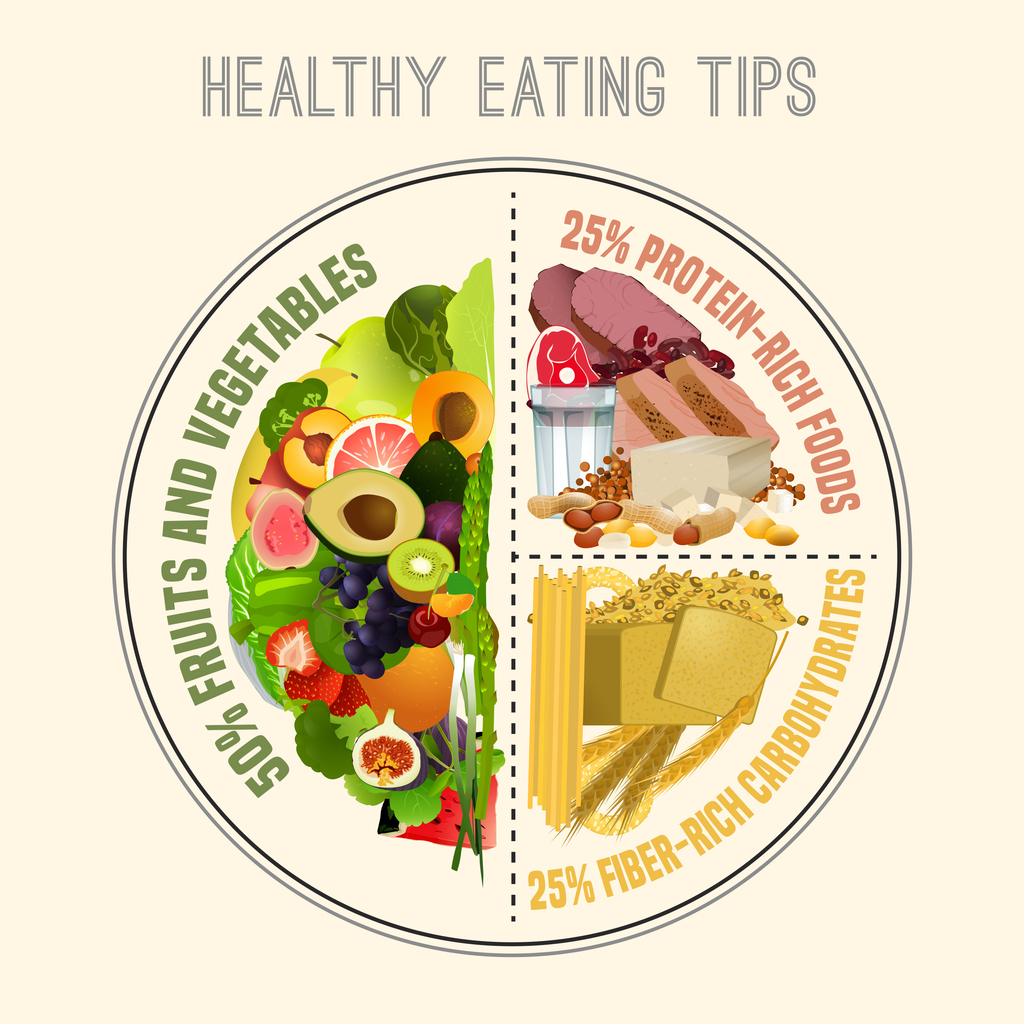
Did you know that around 70% of your immune system resides in your gut? Maintaining a healthy digestive tract is one of the best ways to strengthen your immune defenses, especially during cold and flu season. To boost your gut-immune connection, focus on:
- Probiotics: Found in yogurt, kefir, and fermented foods, they help maintain a balanced gut microbiome.
- Prebiotics: Found in foods like garlic, onions, and bananas, they feed beneficial gut bacteria.
- Vitamin-rich Foods: Citrus fruits, leafy greens, and bell peppers provide antioxidants and vitamins that protect against illness.
6. Practice Mindful Eating
During the winter months, especially around the holidays, it’s easy to overeat or indulge in heavier foods. Overeating can overwhelm your digestive system, leading to heartburn, bloating, or discomfort. To avoid these issues, try mindful eating practices:
- Eat slowly and chew thoroughly to give your body time to register fullness.
- Avoid eating while distracted by screens or stressful situations.
- Listen to your hunger cues and stop when you’re comfortably satisfied.
7. Limit Alcohol and Sugary Treats
Holiday celebrations often involve rich desserts and festive drinks, but overindulging can take a toll on your digestive system. Alcohol can irritate the stomach lining and increase acid production, leading to heartburn or gastritis. Similarly, sugary foods can disrupt your gut microbiome and contribute to bloating or fatigue. If you’re celebrating, do so in moderation. Alternate alcoholic beverages with water or sparkling water, and consider lighter options like herbal cocktails or diluted fruit juices. When it comes to sweets, opt for small portions and enjoy them slowly to avoid overloading your digestive system.
8. Protect Against Common Winter Digestive Issues
Pay attention to recurring digestive symptoms. Persistent bloating, pain, or changes in bowel habits may indicate an underlying condition that needs evaluation. Several digestive problems tend to flare up during winter, including:
- Acid reflux: Heavy meals, alcohol, and lying down after eating can worsen symptoms. Eat smaller meals and avoid reclining right after dinner.
- Constipation: A diet low in fiber or fluids can slow digestion. Add high-fiber foods and increase water intake.
- Bloating: Rich or salty foods can cause water retention and gas. Focus on whole, unprocessed foods and limit sodium.
9. Get Enough Sunlight and Vitamin D
Shorter winter days often mean less sunlight exposure, which can lower vitamin D levels. Vitamin D plays an important role in regulating the immune system and supporting gut health. Try to get outside for at least 10-15 minutes of sunlight a few times a week when possible. You can also include vitamin D-rich foods like salmon, eggs, and fortified dairy products in your diet. If you have concerns about your levels, talk to your healthcare provider about supplements.
10. Know When to Seek Professional Help
If you experience persistent digestive symptoms, such as abdominal pain, heartburn, diarrhea, constipation, or unexplained weight changes, it may be time to see a gastroenterologist. Chronic digestive issues can be a sign of conditions like irritable bowel syndrome (IBS), gastroesophageal reflux disease (GERD), or inflammatory bowel disease (IBD). A gastroenterologist can help identify the cause of your symptoms and recommend personalized treatment to restore digestive balance and prevent complications. Early evaluation can make a significant difference in long-term gut health.
Contact Us
Winter is a time for rest and renewal, but it’s also an opportunity to give your digestive system the care it deserves. By eating nutrient-rich foods, staying hydrated, managing stress, and listening to your body, you can keep your gut strong and resilient through the colder months.
If you’re experiencing digestive discomfort or want to take proactive steps toward a healthier gut, schedule an appointment with Gastroenterology of Greater Orlando today. Our team of specialists provides comprehensive digestive care to help you stay healthy and comfortable this winter and beyond.