
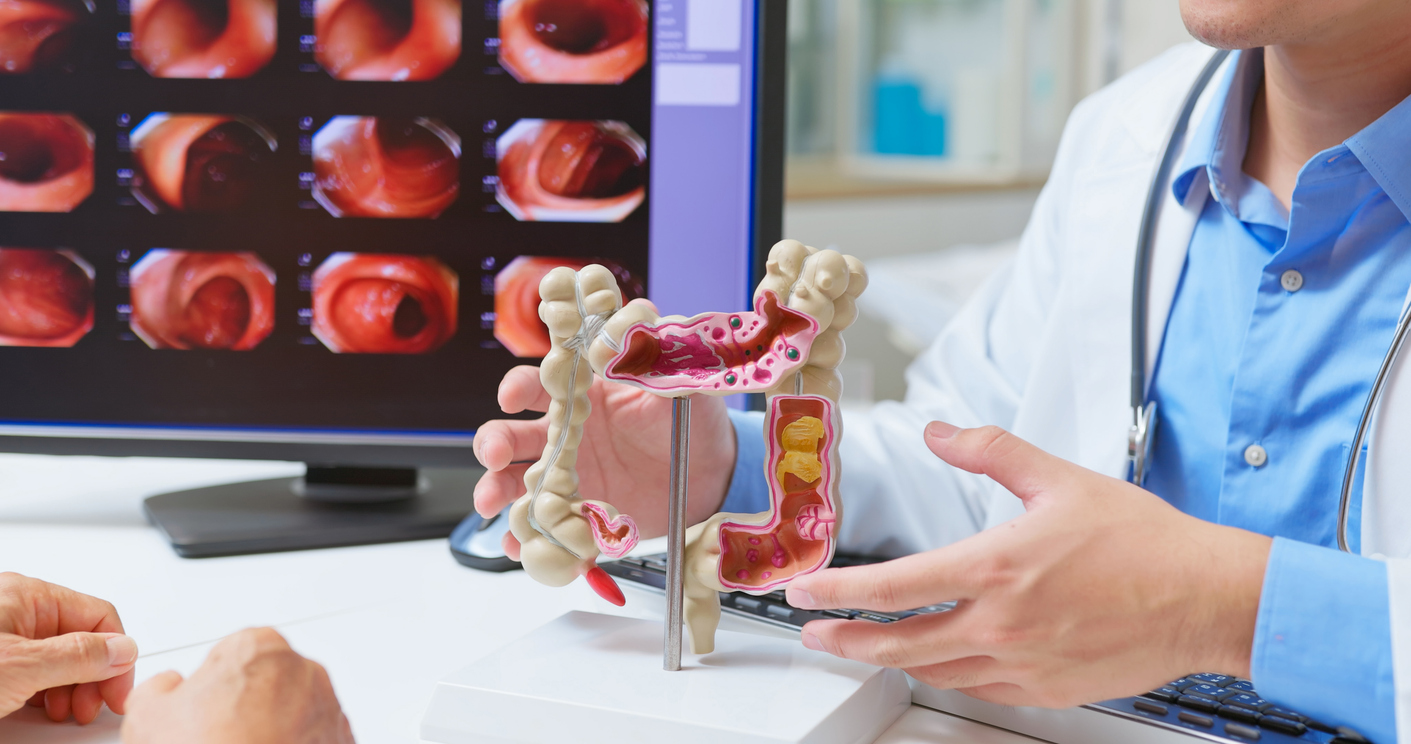
The Importance of Regular Colon Screenings: Early Detection for Better Digestive Health
Colorectal health is a critical aspect of overall well-being, yet many people delay or avoid discussions about the colon. Regular colon screenings are essential for detecting problems early, preventing serious complications, and maintaining long-term digestive health. Whether you are at average risk or have additional risk factors, understanding why colon screenings matter and how they are performed can empower you to take control of your health.
What Are Colon Screenings?
Colon screenings, also known as colorectal screenings, are tests used to detect abnormalities in the colon, large intestine, and rectum. These tests are primarily designed to find polyps, early signs of colorectal cancer, and other digestive issues before they cause symptoms. Early detection can make a dramatic difference in outcomes and treatment options.
Common Types of Colon Screenings
There are several types of colon screenings, each with unique benefits. Your gastroenterologist can help determine the best approach based on your age, risk factors, and personal health history:
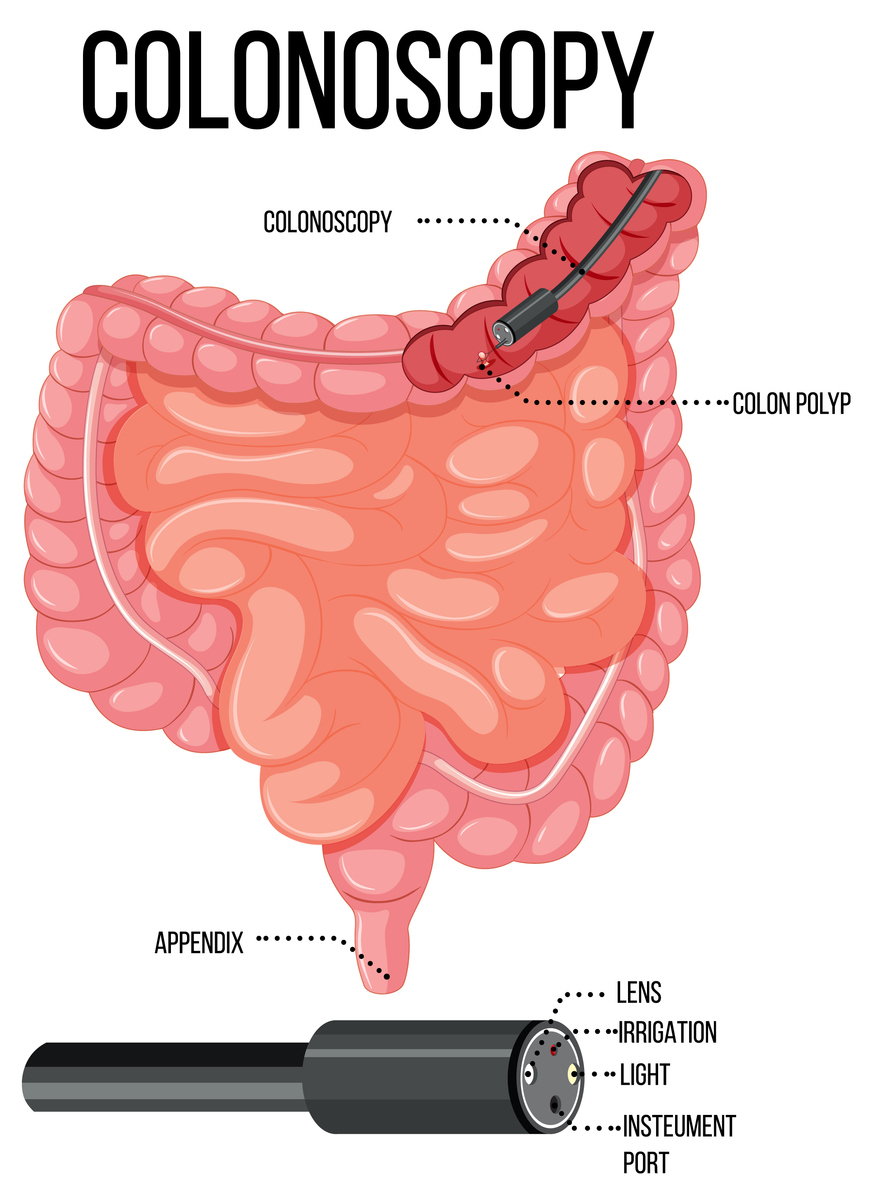
- Colonoscopy: A flexible, camera-equipped scope examines the entire colon and rectum. Polyps or abnormal tissue can be removed during the procedure, making it both diagnostic and therapeutic.
- Fecal Immunochemical Test (FIT): A non-invasive stool test that detects hidden blood, which can be a sign of polyps or colorectal cancer. Usually done annually.
- Stool DNA Test: Checks for genetic markers linked to colorectal cancer in stool samples. Typically recommended every 1–3 years, depending on results and risk factors.
- Flexible Sigmoidoscopy: Examines the rectum and lower portion of the colon. It can detect polyps and other abnormalities, often combined with stool testing.
- CT Colonography (Virtual Colonoscopy): A specialized CT scan that produces detailed images of the colon. Non-invasive and useful for people who cannot undergo a traditional colonoscopy.
Why Regular Colon Screenings Matter
Regular colon screenings are a crucial step in maintaining digestive health, helping detect potential problems early—even before symptoms appear—and significantly reducing the risk of serious complications like colorectal cancer. Consider the following factors:
- Early Detection of Polyps: Polyps are small growths that can form on the lining of the colon and, over time, may develop into cancer. Finding and removing them early significantly lowers the risk of colorectal cancer.
- Prevent Colorectal Cancer: Colorectal cancer is one of the most commonly diagnosed cancers in the United States. Routine screenings can catch precancerous changes before they progress, giving you the best chance to prevent serious disease.
- Identify Other Digestive Conditions: Colon screenings can also uncover inflammation, ulcers, diverticulosis, or other abnormalities that might not cause noticeable symptoms, allowing for early treatment and management.
- Peace of Mind: Knowing that your colon has been thoroughly evaluated provides reassurance and confidence, helping you stay proactive about your long-term digestive health.
Who Should Get Screened?
While everyone should consider colon screenings, certain groups are at higher risk and may need more frequent testing. Adults age 45 and older are recommended to start routine screenings, as advised by the American Cancer Society for average-risk individuals. Those with a family history of colorectal cancer or polyps, particularly first-degree relatives, may require earlier and more frequent screenings. People with chronic inflammatory bowel disease, such as Crohn’s disease or ulcerative colitis, face an increased risk of colorectal cancer and often need earlier surveillance. Individuals with genetic syndromes like Lynch syndrome or familial adenomatous polyposis (FAP) require specialized screening plans. Additionally, lifestyle factors including obesity, smoking, heavy alcohol use, and a diet low in fiber can raise risk, making regular colon screenings even more essential.
Symptoms That May Require Earlier Screening
Even though colon screenings are preventive, certain symptoms should prompt immediate evaluation by a gastroenterologist:
- Rectal Bleeding: Noticing blood in your stool or on toilet paper is never normal and should always prompt medical evaluation, as it may indicate underlying digestive tract issues.
- Changes in Bowel Habits: Persistent diarrhea, constipation, or a noticeable narrowing of your stool can signal a potential problem in the colon that requires further investigation.
- Abdominal Pain or Cramping: Ongoing discomfort, bloating, or cramping in the abdomen may point to digestive conditions that need medical attention and possibly colon screening.
- Unexplained Weight Loss: Sudden, unintentional weight loss without changes in diet or activity can be a warning sign of a more serious underlying condition affecting your digestive health.
- Fatigue or Anemia: Chronic blood loss in the colon can lead to low iron levels or anemia, resulting in persistent fatigue, weakness, or shortness of breath, highlighting the need for timely evaluation.
Preparing for a Colon Screening
Preparing for a colon screening is an important step to ensure the procedure is safe, accurate, and effective. Typically, your healthcare provider will give you specific instructions on dietary restrictions, which may include avoiding certain foods and switching to a clear liquid diet for a short period before the test. You may also need to take a prescribed laxative or bowel prep solution to thoroughly cleanse your colon. Following these instructions carefully helps improve visibility during the screening, allowing your doctor to detect polyps, inflammation, or other abnormalities more effectively. Additionally, arranging for transportation and allowing time for recovery after the procedure can make the experience smoother and less stressful. Proper preparation ensures the screening is both efficient and reliable, giving you the most accurate results for your digestive health.
Risks of Delaying Screening
Delaying or skipping regular colon screenings can have serious consequences for your digestive health. Without timely testing, precancerous polyps may go undetected and have the potential to develop into colorectal cancer. Early-stage cancers are often easier to treat, but postponing screening can allow the disease to progress to more advanced stages, which may require more aggressive treatments and carry a lower chance of successful outcomes. Additionally, other digestive conditions, such as inflammation, ulcers, or diverticulosis, may remain unnoticed and untreated, potentially leading to complications or chronic discomfort. Staying on schedule with recommended screenings is essential for early detection, prevention, and maintaining long-term digestive wellness.

Colon Screening: What to Expect During a Colonoscopy
Colonoscopy is considered the most thorough method for colon screening, allowing doctors to detect and often treat potential issues in a single procedure. Here’s an overview of what to expect:
- Sedation: Most patients receive light sedation to ensure comfort and relaxation throughout the procedure, helping reduce anxiety and discomfort.
- Procedure: A flexible tube with a camera is gently inserted into the rectum, allowing the physician to examine the entire colon for abnormalities such as polyps, inflammation, or lesions.
- Polyp Removal: If any polyps are identified during the colonoscopy, they can often be removed immediately, which helps prevent the potential development of colorectal cancer.
- Biopsy: Small tissue samples may be taken from any suspicious areas for further analysis, providing critical information for diagnosis and treatment planning.
- Recovery: After the procedure, patients typically rest briefly as the sedation wears off, and most can go home the same day with minimal downtime, resuming normal activities shortly after.
Contact Us
Maintaining a healthy colon is essential for overall digestive wellness and long-term health. At Gastroenterology of Greater Orlando, our team of specialists provides personalized colon screenings and expert care designed to detect issues early and prevent complications. Whether through routine colonoscopies, non-invasive stool tests, or tailored follow-up plans, we offer options that fit your individual needs. Take control of your digestive health today—schedule your colon screening with us and make a proactive investment in a healthier, more confident future.